Securing Microservices with YARP and Authentication (JWT or Basic Auth)
Introduction
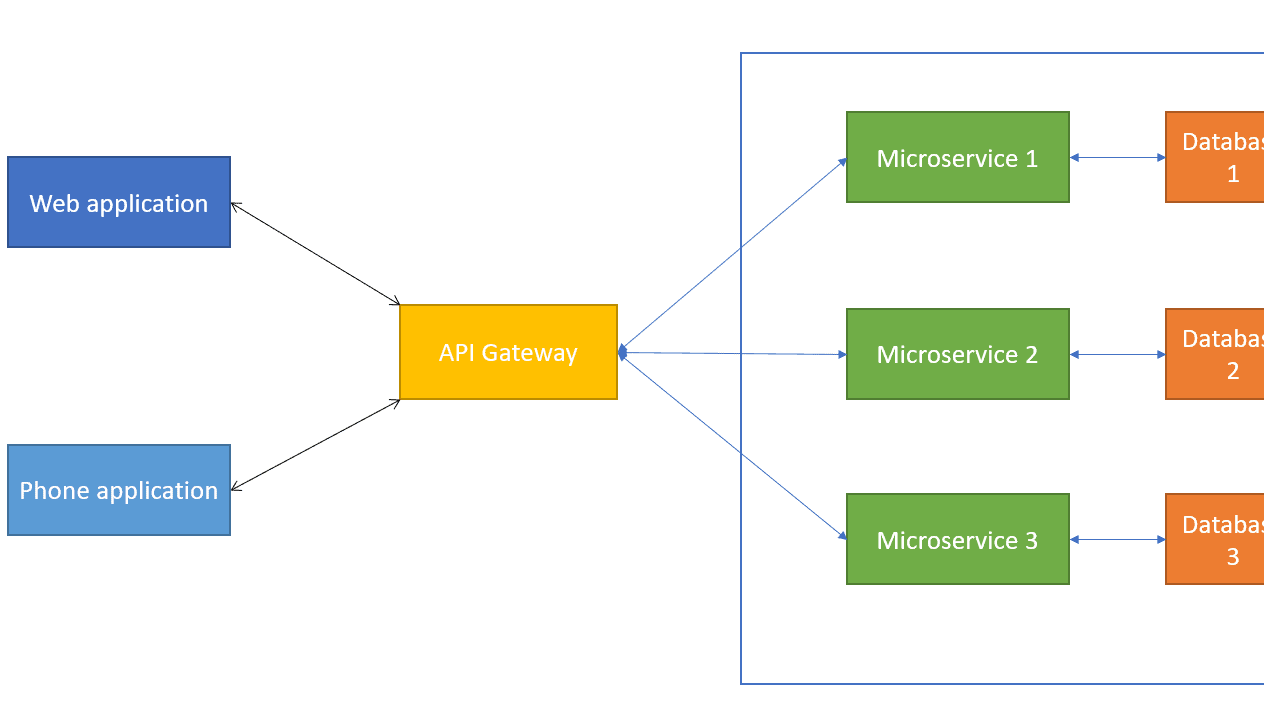
In microservice architectures, YARP (Yet Another Reverse Proxy) serves as a flexible and performant gateway to route requests to backend services. But routing alone isn’t enough — securing your APIs is essential.
This guide walks you through implementing authentication in YARP, using JWT tokens (recommended for production) or Basic Authentication (for simpler or internal systems).
Goals
Architecture Overview
Option 1: JWT Authentication in YARP
Step 1: Add JWT Authentication in Program.cs
Step 2: Configure YARP Routes with Authorization
Step 3: Protect Routes in Middleware
Optional: Add policy
Option 2: Basic Authentication (for internal APIs or testing)
Note: Basic Auth should only be used over HTTPS and ideally for internal systems.
Step 1: Add custom BasicAuth middleware
Step 2: Register it in the pipeline
Best Practices
Conclusion
With YARP, you can easily implement centralized authentication using either JWT or Basic Auth depending on your system needs. JWT is recommended for scalability and security, while Basic Auth can serve for quick internal solutions.
YARP offers native integration with ASP.NET Core middleware, allowing you to apply policies per route, cluster, or globally giving you full control of how and when users authenticate.