The Power of Python in Data Science and IoT: From the Factory Floor to the Cloud
Introduction
In the world of Data Science and the Internet of Things (IoT), Python has emerged as a versatile and powerful tool. Its simplicity, readability, and vast library support make it a popular choice among developers and data scientists. This article delves into the role of Python in data science, its application in IoT, and how it supports both low-level firmware and high-level software development.
The Role of Data Science in Modern Industries
Data science has revolutionized how industries operate, from the factory floor to the Cloud. It allows businesses to make informed decisions by extracting valuable insights from vast data. Data science can use Computational Statistics to predict trends, optimize operations, and detect anomalies.
Python: The Lingua Franca of Data Science
Python has become the go-to language for Data Science because of its simplicity and the availability of powerful libraries like NumPy, Pandas, and Scikit-learn. Python offers statistical analysis and machine learning tools, making it ideal for data science.
Python for Firmware Development
Traditionally, firmware development has been the domain of languages like C and C++. However, Python is making inroads into this area as well. MicroPython and CircuitPython are Python implementations designed for microcontrollers. They allow developers to write firmware in Python, making it more accessible and easier to use.
Python for High-Level Software Development
At the high level, Python shines in software development. Its simplicity and readability make it an excellent choice for web development, automation, data analysis, and more. Python's extensive standard library and the wealth of third-party packages allow it to handle a wide range of software development tasks.
Recommended by LinkedIn
Introducing Mojo: A New Programming Language for AI Developers
Mojo is a new programming language developed by Modular. It combines the usability of Python with the performance of C, unlocking unparalleled programmability of AI hardware and extensibility of AI models. This makes Mojo a powerful tool for AI developers.
The Power of Mojo in AI Development
Mojo allows developers to write everything in one language, from high-level Python-like code to low-level hardware programming. It also provides true interoperability with the Python ecosystem, allowing developers to seamlessly intermix arbitrary libraries like Numpy and Matplotlib with their custom Mojo code.
Python in IoT Development
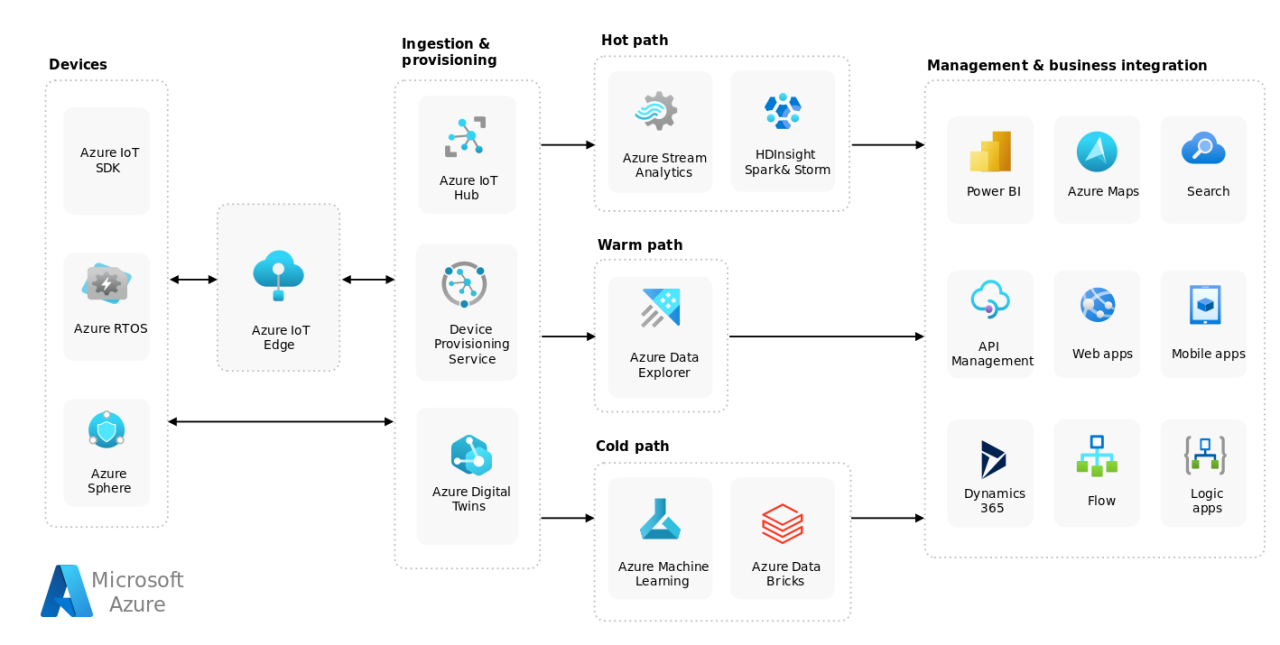
Python's simplicity and versatility make it a great choice for IoT development. MicroPython and CircuitPython allow Python to run on microcontrollers, enabling the development of IoT applications in Python. These implementations provide a Pythonic interface to hardware features, making IoT development more accessible.
Real-Time Operating Systems (RTOS) in Python
PyRTOS is a real-time operating system (RTOS) written in Python for IoT applications. It provides a Pythonic interface to RTOS features, allowing developers to write real-time applications in Python
Conclusion
Python's versatility and simplicity have made it popular in data science and IoT. From low-level firmware development with MicroPython and CircuitPython to high-level software development, Python has proven to be a powerful tool. With the introduction of Mojo, Python's usefulness and performance in AI development has been further enhanced. Python's role in data science and IoT will continue growing, making it an essential tool for developers and data scientists.


