Mastering Test-Driven Development (TDD): A Pathway to Software Excellence
Are you tired of wrestling with bugs in your software projects? Do you find yourself spending countless hours debugging code instead of focusing on building new features? If so, it might be time to consider adopting Test-Driven Development (TDD) into your development workflow.
What is TDD?
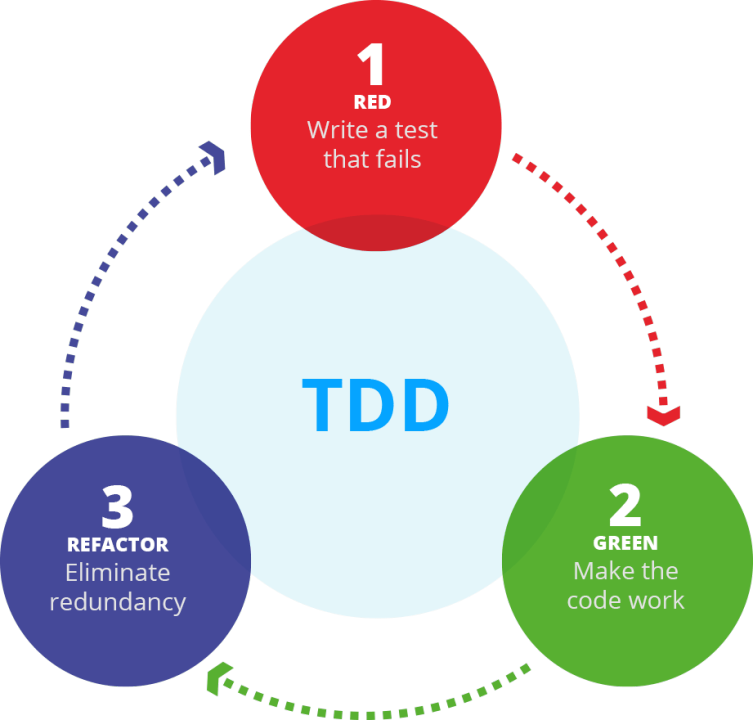
Test-Driven Development is a software development approach where tests are written before the actual implementation code. The process typically follows these three steps:
1. Write a Failing Test: Before writing any production code, developers write a test that should fail initially because the functionality it's testing hasn't been implemented yet.
2. Write the Code: Next, developers write the minimum amount of code necessary to pass the test.
3. Refactor: Once the test passes, the code is refactored to improve its design without changing its behavior.
The Benefits of TDD
1. Improved Code Quality: By writing tests before code, developers are forced to think about the desired behavior of the code upfront, resulting in cleaner, more maintainable code.
2. Faster Development: While it may seem counterintuitive to write tests first, TDD often leads to faster development because it reduces the time spent debugging and fixing bugs later in the development process.
Recommended by LinkedIn
3. Greater Confidence in Changes: With a comprehensive suite of tests in place, developers can confidently make changes to the codebase, knowing that they won't inadvertently introduce new bugs.
Getting Started with TDD
1. Start Small: Begin by writing tests for small, isolated pieces of functionality. As you become more comfortable with the process, you can gradually increase the scope of your tests.
2. Choose the Right Tools: There are many tools and frameworks available for TDD, so take the time to research and choose the ones that best fit your project and team.
3. Embrace Refactoring: Refactoring is an essential part of the TDD process, so don't be afraid to refactor early and often to keep your codebase clean and maintainable.
In Conclusion
Test-Driven Development is more than just a testing technique—it's a mindset shift that can fundamentally change the way you approach software development. By writing tests first, you'll not only produce higher-quality code faster but also become a more confident and efficient developer.
Are you ready to take your development skills to the next level with TDD? Start small, experiment, and see the difference it can make in your projects. Your future self—and your users—will thank you for it.


