The Evolution of DevOps: Bridging the Gap Between Development and Operations
Introduction:
In the rapidly evolving world of software development, the traditional silos between development and operations teams have long been a bottleneck, slowing down the delivery of software and leading to inefficiencies. DevOps, a portmanteau of "Development" and "Operations," has emerged as a transformative approach to address these challenges. By fostering a culture of collaboration and automating key processes, DevOps aims to shorten the development lifecycle, increase deployment frequency, and improve the reliability of software.
The DevOps Lifecycle:
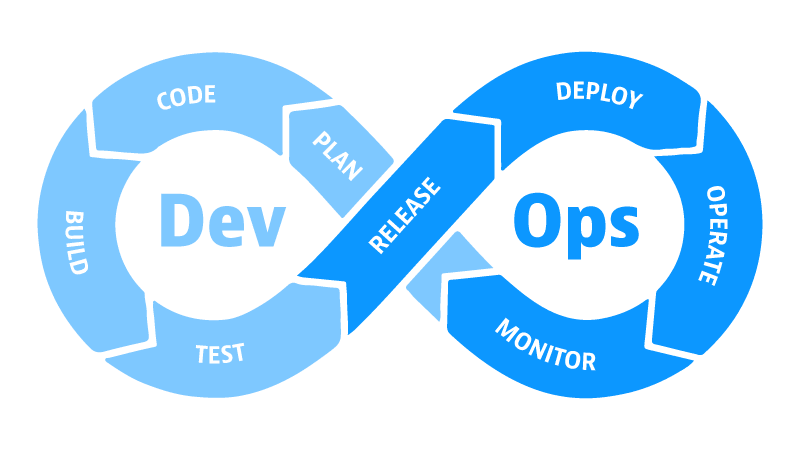
The DevOps lifecycle is often represented as an infinite loop, symbolizing the continuous and iterative nature of the process. This loop encompasses several key stages:
Planning: Before any code is written, the planning stage involves setting goals, defining requirements, and outlining the project roadmap. This stage aligns the development and operations teams on the project’s objectives.
Development: In this stage, developers write the code that forms the basis of the application. DevOps encourages the use of version control systems, such as Git, to manage code changes and collaborate efficiently.
Continuous Integration (CI): CI involves the regular merging of code changes into a shared repository. Automated testing is crucial here, as it ensures that new code integrates smoothly with the existing codebase without introducing bugs.
Continuous Delivery/Continuous Deployment (CD): CD takes CI a step further by automating the deployment of code to production environments. Continuous Delivery involves the automated release of code to a staging environment, while Continuous Deployment goes further by automatically releasing it to production.
Monitoring and Logging: After deployment, monitoring tools track the performance and health of the application in real-time. Logging is also essential to capture and analyze data on application behavior, helping teams identify and resolve issues quickly.
Feedback: The final stage involves gathering feedback from users and stakeholders. This information is fed back into the planning stage, enabling continuous improvement of the software.
Key Technologies in DevOps:
Several technologies are fundamental to the successful implementation of DevOps. These include:
Version Control Systems (VCS): Tools like Git enable teams to manage code changes, track history, and collaborate efficiently.
Continuous Integration/Continuous Deployment (CI/CD) Tools: Jenkins, CircleCI, and GitLab CI are popular CI/CD tools that automate the integration and deployment processes, ensuring rapid and reliable software delivery.
Infrastructure as Code (IaC): Tools like Terraform and Ansible allow teams to manage infrastructure using code, enabling automated, consistent, and scalable environment provisioning.
Containerization: Docker is a leading tool for containerization, allowing applications to run consistently across different environments. Kubernetes, on the other hand, is a powerful tool for orchestrating containerized applications at scale.
Monitoring and Logging Tools: Prometheus, Grafana, ELK Stack (Elasticsearch, Logstash, Kibana), and Splunk are widely used for monitoring and logging. They provide insights into system performance, application behavior, and user activity.
Benefits of DevOps:
The adoption of DevOps practices brings numerous benefits to organizations, including:
Faster Time-to-Market: By automating key processes and fostering collaboration, DevOps significantly reduces the time it takes to deliver new features and updates.
Recommended by LinkedIn
Improved Collaboration: DevOps breaks down the silos between development and operations teams, fostering a culture of collaboration and shared responsibility.
Higher Quality Software: Continuous testing and monitoring ensure that code is reliable and stable, reducing the number of defects in production.
Greater Efficiency: Automation reduces manual tasks, freeing up teams to focus on more strategic activities.
Scalability: With tools like Kubernetes and Terraform, organizations can easily scale their infrastructure and applications to meet growing demand.
Challenges in Implementing DevOps
Despite its many benefits, implementing DevOps is not without challenges:
Cultural Resistance: Shifting from traditional methods to a DevOps approach requires a cultural change, which can be met with resistance from teams accustomed to working in silos.
Complexity: Managing the various tools and processes in the DevOps pipeline can be complex, especially in large organizations with diverse environments.
Security Concerns: As automation increases, so does the potential for security vulnerabilities. Integrating security practices into the DevOps pipeline, often referred to as DevSecOps, is crucial.
The Future of DevOps:
The future of DevOps is likely to be shaped by advancements in automation, artificial intelligence, and machine learning. As organizations continue to embrace cloud-native architectures and microservices, the demand for more sophisticated DevOps tools and practices will only grow. Moreover, the integration of AI and ML into DevOps pipelines could lead to more intelligent automation, predictive analytics, and even self-healing systems.
Conclusion:
DevOps has fundamentally changed the way software is developed, deployed, and maintained. By breaking down the barriers between development and operations, automating key processes, and fostering a culture of continuous improvement, DevOps enables organizations to deliver high-quality software faster and more efficiently. As the technology landscape continues to evolve, DevOps will remain at the forefront of innovation, driving the next generation of software development practices.


The insightful evolution of DevOps you shared truly reflects the changing landscape of software development. Keep bridging the gap and driving innovation!