Enhancing Software Quality with Mutation Testing
Day 18: Introduction to Mutation Testing
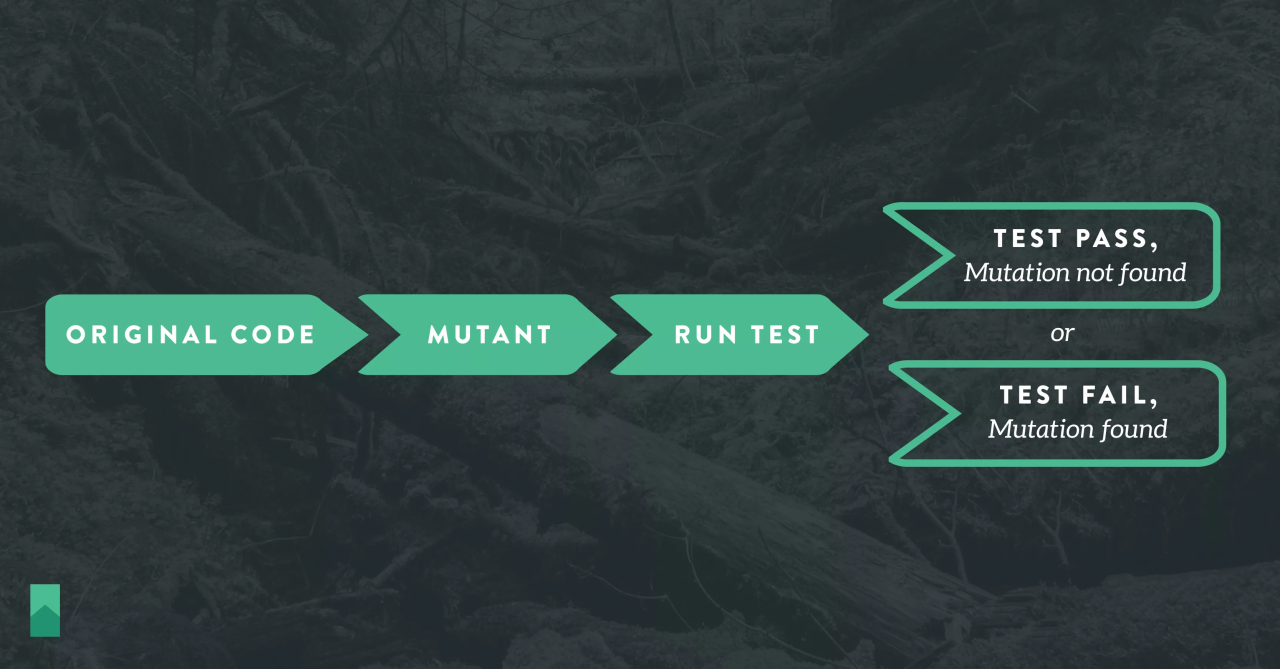
Mutation testing is an advanced technique used to evaluate the effectiveness of your test suite. By introducing small changes (mutations) to the code, mutation testing checks whether your existing tests can detect these changes. This method helps identify weaknesses in your test cases and ensures that your tests are robust and thorough. Today, we'll explore the concept of mutation testing, its benefits, and how you can implement it to improve software quality.
Why Use Mutation Testing?
Key Features of Mutation Testing:
Example of Mutation Testing Tool:
Tool: Pitest (for Java) Pitest is a popular mutation testing tool for Java applications. It integrates seamlessly with build tools like Maven and Gradle.
Implementing Mutation Testing with Pitest:
Maven Configuration:
Running Mutation Tests:
Execute the following command to run mutation tests with Pitest:
Benefits of Mutation Testing:
Best Practices for Mutation Testing:
Integrating Mutation Testing with CI/CD:
Here’s an example of a Jenkins pipeline script to run mutation tests using Pitest:
Jenkins Pipeline Script (Jenkinsfile):
pipeline {
agent any
stages {
Recommended by LinkedIn
stage('Checkout') {
steps {
}
}
stage('Build') {
steps {
sh 'mvn clean install'
}
}
stage('Mutation Testing') {
steps {
sh 'mvn org.pitest:pitest-maven:mutationCoverage'
}
}
}
post {
always {
archiveArtifacts artifacts: 'target/pit-reports/**/*', allowEmptyArchive: true
junit 'target/surefire-reports/*.xml'
}
}
}
Conclusion:
Mutation testing is a powerful technique for enhancing the quality and robustness of your test suite. By identifying weak tests and ensuring comprehensive coverage, mutation testing helps deliver high-quality software. Implementing mutation testing with tools like Pitest can provide valuable insights and drive continuous improvement in your testing practices.


