Dark net
Introduction
The internet is a vast expanse that most of us navigate daily, accessing information, connecting with others, and conducting various activities. However, beneath the surface of the visible web lies a secretive and often misunderstood realm known as the "darknet." In this article, we will delve into the mysterious world of the darknet, exploring what it is, how it works, and its implications on society.
What is the Darknet?
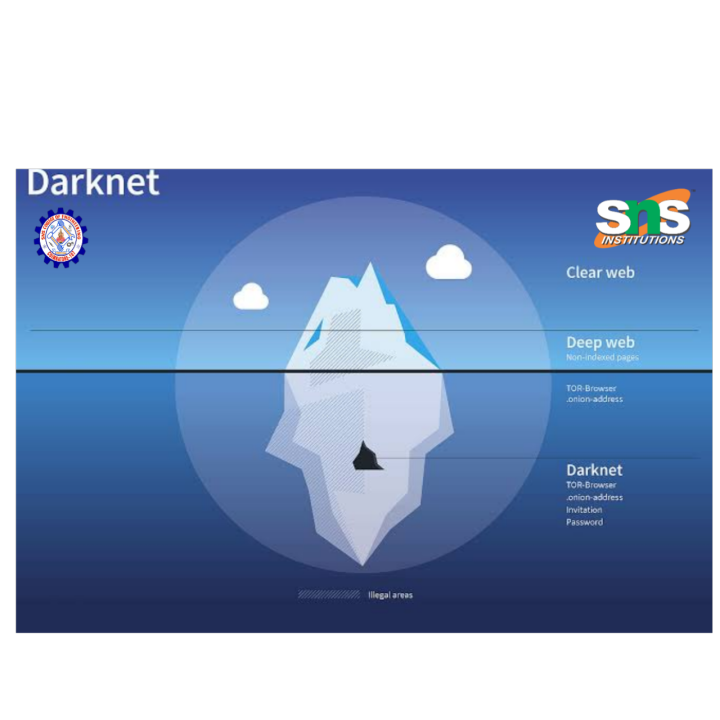
The darknet is a portion of the internet that is intentionally hidden from traditional search engines like Google, making it inaccessible through standard web browsers. It is a subset of the deep web, which encompasses all web content that is not indexed by search engines. While the deep web includes legitimate sites like private email servers and online banking systems, the darknet is often associated with anonymity and secrecy.
Key Characteristics of the Darknet
Anonymity: Users on the darknet often employ specialized software, like Tor (The Onion Router), to mask their IP addresses and encrypt their connections. This anonymity makes it challenging for law enforcement to trace illegal activities.
Hidden Services: The darknet hosts hidden services or websites with .onion domains. These websites can only be accessed through Tor and are often associated with illegal activities such as drug markets, hacking forums, and black market commerce.
Cryptocurrency Transactions: Many transactions on the darknet are conducted using cryptocurrencies like Bitcoin, which provide an additional layer of anonymity for users.
The Darknet's Purpose
While the darknet has earned a reputation for illegal activities, it also serves legitimate purposes. Some users turn to the darknet to protect their privacy in countries with strict censorship and surveillance. Whistleblowers and activists have used it to communicate securely and share sensitive information.