Angular vs React: Data Binding Explained 🚀

Angular vs React: Data Binding Explained 🚀

Understanding how data flows in Angular and React is key to building robust apps. Here's a quick comparison of data binding in both frameworks:


Angular

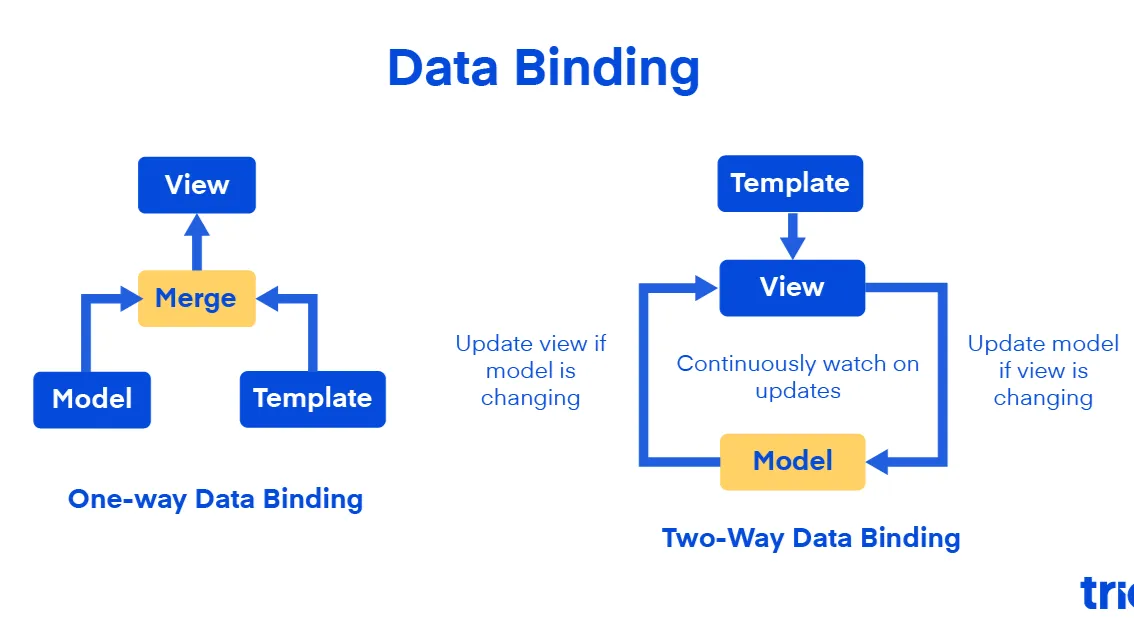
  • Two-Way Binding: Synchronizes data between the component and the view instantly.
  • How It Works: Changes in the UI update the component, and vice versa. {{<input [(ngModel)]="userName" /> <!-- Updates userName in real-time -->}}
  • Pros: Simplifies form handling and data sync.
  • Best For: Apps with frequent user input.


React

  • One-Way Binding: Data flows from parent to child components (unidirectional).
  • How It Works: Updates require explicitly modifying the state via setState or hooks.

const [userName, setUserName] = useState('');

<input value={userName} onChange={(e) => setUserName(e.target.value)} />


  • Pros: Predictable, easy to debug.
  • Best For: Apps needing precise control over data flow.


Angular: Easier for quick forms and user-driven UIs.

React: Better for scalable, maintainable apps with complex data flow.

Which one do you prefer for your projects? Let’s discuss it! 🚀


#Angular #React #WebDevelopment

To view or add a comment, sign in

More articles by Muhammed Akil

  • Angular Vs React

    Angular and React are two popular front-end JavaScript frameworks/libraries used for building web applications. In…

Explore content categories